
Tapentadol Hydrochloride
Rx
Generic NameTapentadol Hydrochloride
Therapeutic ClassOpioid Analgesic
Max / 24h700 mg (immediate-release), 500 mg (extended-release)
Common Dose50–100 mg orally every 4–6 hours as needed (IR), 50–250 mg orally twice daily (ER)
PregnancyUse only if benefit outweighs risk
Indications ▼
Moderate to severe acute pain in adults
Chronic pain associated with musculoskeletal disorders or neuropathic pain
Mechanism & Pharmacokinetics ▼
Mechanism: Dual mechanism: μ-opioid receptor agonist and norepinephrine reuptake inhibitor, providing analgesic effects.
Pharmacokinetics: Well absorbed orally; peak plasma concentration 1–2 hours (IR) and 6 hours (ER); metabolized mainly by glucuronidation; excreted in urine (~99%). Half-life ~4 hours (IR), ~13 hours (ER).
Dosage & Administration ▼
| Condition | Recommended Dose | Frequency |
|---|---|---|
| Acute Pain (IR) | 50–100 mg | Orally every 4–6 hours as needed, max 700 mg/day |
| Chronic Pain (ER) | 50–250 mg | Orally twice daily, max 500 mg/day |
Note: Adjust dose for renal or hepatic impairment; swallow ER tablets whole. Use the lowest effective dose for the shortest duration necessary.
Side Effects ▼
Nausea, vomiting, constipation
Dizziness, headache, somnolence
Risk of respiratory depression
Rare: Seizures, serotonin syndrome (especially with SSRIs/SNRIs)
Contraindications ▼
Hypersensitivity to tapentadol
Severe respiratory depression
Acute or severe bronchial asthma
Paralytic ileus
Drug Interaction ▼
Other CNS depressants: additive sedation or respiratory depression
MAO inhibitors: risk of serotonin syndrome
SSRIs/SNRIs/Tricyclics: increased risk of serotonin syndrome
Pregnancy & Lactation ▼
Use only if benefit outweighs risk; risk of neonatal opioid withdrawal
Excreted in breast milk; breastfeeding not recommended
Clinical / Research Summary ▼
Therapeutic Role: Effective opioid analgesic with dual mechanism; reduces moderate to severe pain in adults.
Clinical Effectiveness: Comparable efficacy to morphine but with potentially lower gastrointestinal side effects.
Safety Profile: Monitor for CNS depression, respiratory depression, and risk of dependence. Dose adjustment in renal/hepatic impairment.
Current Research: Focus on chronic pain management, abuse potential, and combination with non-opioid analgesics.
Patient Counseling Points ▼
Take exactly as prescribed; do not exceed recommended dose
Avoid alcohol and CNS depressants
Report signs of respiratory depression, severe dizziness, or allergic reaction
Do not abruptly discontinue extended-release tablets
Keep out of reach of children due to risk of accidental ingestion
Storage & Handling ▼
Store at 20–25°C, protect from moisture and light
Keep out of reach of children
Brand Names (Bangladesh & Global) ▼
Bangladesh (Local Brands):
Global / International Brands:
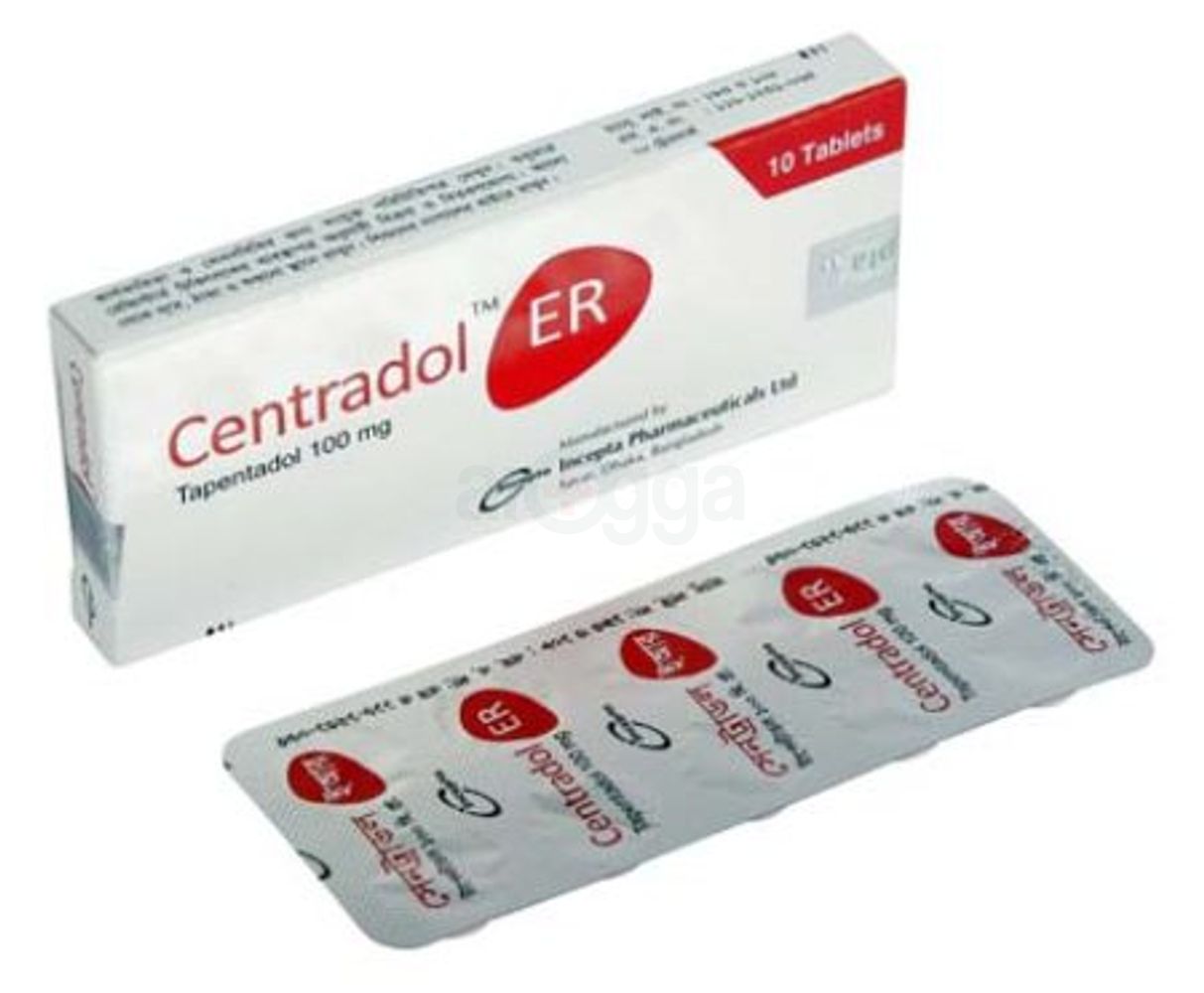 Centradol ER®
Medical Disclaimer: This information is intended for educational purposes only and must not replace professional medical advice.


