
Sevelamer Hydrochloride
Rx
Generic NameSevelamer Hydrochloride
Therapeutic ClassPhosphate Binder
Common Strength400 mg, 800 mg tablets; 2.4 g powder for oral suspension
Max / 24hIndividualized; titrate based on serum phosphate
PregnancyUse if clearly needed
Indications ▼
Hyperphosphatemia in Chronic Kidney Disease (CKD): For adult and pediatric patients on hemodialysis or peritoneal dialysis with elevated serum phosphate. High phosphate is linked to secondary hyperparathyroidism, bone disease, and cardiovascular calcification.
Prevention of Vascular Calcification: Reduces phosphate load without increasing calcium or aluminum, lowering risk of arterial and soft tissue calcification.
Adjunct to Diet: Used with a phosphate-restricted diet to maintain target serum phosphate (usually 3.5–5.5 mg/dL in dialysis patients).
Pediatric Patients: Approved for children ≥6 years on dialysis; dosing must be individualized and monitored carefully.
Off-label / Non-dialysis CKD: Occasionally used in patients with persistent hyperphosphatemia despite dietary restrictions; only under physician supervision.
Mechanism & Pharmacokinetics ▼
Mechanism: Sevelamer Hydrochloride is a non-absorbed polymer that binds dietary phosphate in the gut. This prevents phosphate absorption and lowers serum phosphate levels without adding calcium or aluminum.
Pharmacokinetics: Not systemically absorbed; acts locally in the gastrointestinal tract. Excreted unchanged in feces. Effect is dose-dependent and correlates with dietary phosphate intake.
Dosage & Administration ▼
| Indication | Dose | Frequency |
|---|---|---|
| Hyperphosphatemia in adults | 800–1600 mg per meal (initial) | 3 times daily with meals |
| Hyperphosphatemia in pediatric patients (≥6 yrs) | Initial: 400–800 mg per meal | 3 times daily; adjust based on serum phosphate |
Note: Dose titration should occur every 2–4 weeks to reach target serum phosphate. Powder can be mixed with water for easier administration. Avoid simultaneous administration with medications that require absorption monitoring.
Side Effects ▼
Constipation, diarrhea, nausea
Abdominal pain, bloating, flatulence
Rare: intestinal obstruction, fecal impaction
May reduce absorption of fat-soluble vitamins (A, D, E, K)
Contraindications ▼
Hypersensitivity to Sevelamer Hydrochloride
Hypophosphatemia
Bowel obstruction, swallowing disorders, or severe gastrointestinal motility disorders
Drug Interaction ▼
May reduce absorption of certain drugs (ciprofloxacin, levothyroxine, mycophenolate, fat-soluble vitamins). Administer these drugs at least 1 hour before or 3 hours after Sevelamer.
Pregnancy & Lactation ▼
Use only if clearly needed; no well-controlled studies in pregnant women.
Breastfeeding: Use only if benefits outweigh risks.
Clinical / Research Summary ▼
Clinical Role: First-line non-calcium phosphate binder for CKD patients on dialysis.
Advantage: Lowers phosphate without increasing calcium load; reduces vascular calcification risk.
Limitation: Gastrointestinal side effects; careful monitoring of serum phosphate, calcium, and vitamins needed.
Monitoring: Serum phosphate, calcium, bicarbonate, vitamin D, bowel habits, and adherence to diet.
Patient Counseling Points ▼
Take with meals to maximize phosphate binding.
Do not crush or chew tablets; mix powder with water if needed.
Report constipation, severe abdominal pain, or signs of bowel obstruction immediately.
Maintain regular lab monitoring and follow dietary phosphate restrictions.
Storage & Handling ▼
Store below 30°C
Protect from moisture and light
Keep out of reach of children
Brand Names (Bangladesh & Global) ▼
Bangladesh:
Global:
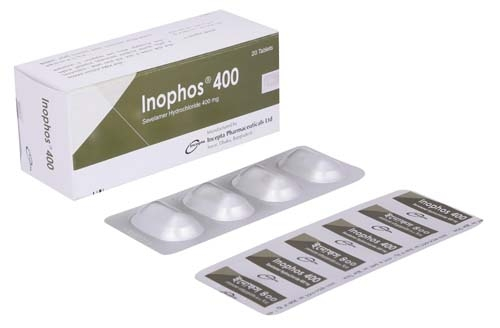 Inophos 400 mg
 Sevel 800 mg
 Karvela 800 mg
 Renosev 800 mg
 Renvela 800 mg
Medical Disclaimer: For educational purposes only. Not a substitute for professional medical advice.
Reference Hubs:


