
Pheniramine Maleate
Rx / OTC
Generic NamePheniramine Maleate
Therapeutic ClassH1 Antihistamine
Common Dose25–50 mg 2–3 times daily
Max / 24h200 mg
PregnancyCategory C
Indications ▼
Allergic rhinitis (seasonal and perennial)
Urticaria and other allergic skin conditions
Drug-induced allergic reactions
Adjunct in anaphylaxis management
Insect bites and pruritus
Mechanism & Pharmacokinetics ▼
Mechanism: Competitive antagonist at H1 histamine receptors, reducing effects of histamine such as vasodilation, increased vascular permeability, and itching.
Pharmacokinetics: Rapidly absorbed orally; onset within 30–60 minutes. Duration 4–6 hours. Metabolized in liver; excreted primarily via urine. Crosses blood-brain barrier causing sedation.
Dosage & Administration ▼
| Patient Category | Recommended Dose | Max / 24h |
|---|---|---|
| Adults (Oral) | 25–50 mg orally 2–3 times daily | 200 mg |
| Adults (Injection) | 25–50 mg IM or slow IV as needed | 200 mg |
| Children (6–12 yrs) | 12.5–25 mg 2–3 times daily | 100 mg |
| Elderly | Use lower initial dose; monitor sedation | As tolerated |
Note: May cause drowsiness. Avoid alcohol and other CNS depressants. Adjust dose in hepatic impairment.
Side Effects ▼
Common: Drowsiness, dry mouth, dizziness
Occasional: Blurred vision, constipation, urinary retention
Rare: Hypersensitivity reactions, confusion (especially in elderly)
Contraindications ▼
Hypersensitivity to pheniramine or other antihistamines
Angle-closure glaucoma
Prostatic hypertrophy with urinary retention
Drug Interaction ▼
Alcohol and CNS depressants: increased sedation
MAO inhibitors: prolonged anticholinergic effects
Other antihistamines: additive effects
Pregnancy & Lactation ▼
Category C; use only if clearly needed
May pass into breast milk; monitor infant for sedation
Clinical / Research Summary ▼
Effective in acute allergic reactions and pruritic conditions.
Sedative properties may benefit patients with nighttime symptoms.
Less preferred for long-term allergy management compared to second-generation antihistamines due to CNS effects.
Patient Counseling Points ▼
May cause drowsiness; avoid driving or operating machinery.
Avoid alcohol while taking this medication.
Take exactly as prescribed; do not exceed recommended dose.
Storage & Handling ▼
Store at 20–25°C; protect from light and moisture
Keep out of reach of children
Brand Names (Bangladesh & Global) ▼
Bangladesh:
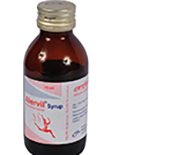 Aerovil® 15 mg/5 ml Syrup
 Alervil® 15 mg/5 ml Syrup
Amarin® 22.7 mg Tablet
Amarin® 15 mg/5 ml Syrup
Amarin® 45.5 mg/2 ml Injection
Avil® 22.7 mg Tablet
Avil® 15 mg/5 ml Syrup
Avil® 45.5 mg/2 ml Injection
Avil Retard® 75 mg Tablet
Alarzil® 22.7 mg Tablet
Fenimex® 45.5 mg/2 ml Injection
Fenimex® 45.5 mg/2 ml Injection
Global:
Alervil® 15 mg/5 ml Syrup
Amarin® 22.7 mg Tablet
Amarin® 15 mg/5 ml Syrup
Amarin® 45.5 mg/2 ml Injection
Avil® 22.7 mg Tablet
Avil® 15 mg/5 ml Syrup
Avil® 45.5 mg/2 ml Injection
Avil Retard® 75 mg Tablet
Alarzil® 22.7 mg Tablet
Fenimex® 45.5 mg/2 ml Injection
Fenimex® 45.5 mg/2 ml Injection
Global:
Aerovil® 15 mg/5 ml Syrup
Medical Disclaimer: This information is for educational purposes only and should not replace professional medical advice. Always consult a qualified healthcare provider.


