
Doxycycline Hydrochloride
Rx Only
Generic NameDoxycycline Hydrochloride
Therapeutic ClassTetracycline Antibiotic
Common Dose100 mg every 12 hours
Max / 24h200 mg
PregnancyCategory D
Indications ▼
Respiratory tract infections (pneumonia, bronchitis)
Skin and soft tissue infections
Sexually transmitted infections (e.g., chlamydia)
Acne vulgaris
Malaria prophylaxis in endemic areas
Mechanism & Pharmacokinetics ▼
Mechanism: Inhibits bacterial protein synthesis by binding to the 30S ribosomal subunit, preventing peptide chain elongation.
Pharmacokinetics: Well absorbed orally; peak plasma concentration 2–4 hours. Widely distributed in tissues. Partially metabolized in liver; excreted in urine and feces. Half-life ~18–22 hours; dose adjustment in severe hepatic impairment.
Dosage & Administration ▼
| Patient Category | Recommended Dose | Max / 24h |
|---|---|---|
| Adults | 100 mg orally every 12 hours on the first day, then 100 mg daily or 100 mg every 12 hours as needed | 200 mg |
| Elderly | Same as adults; monitor renal and hepatic function | 200 mg |
| Children (>8 years) | 2–4 mg/kg/day in 1–2 divided doses | 100 mg |
| Malaria Prophylaxis | 100 mg orally once daily starting 1–2 days before travel, continue daily during travel and 7 days after leaving endemic area | 100 mg |
Note: Take with a full glass of water; avoid lying down immediately after dose. Avoid concomitant calcium, magnesium, or iron supplements within 2–3 hours of dose.
Side Effects ▼
Common: Nausea, vomiting, diarrhea, photosensitivity
Occasional: Rash, dizziness, esophagitis
Rare: Hepatotoxicity, intracranial hypertension, hypersensitivity reactions
Contraindications ▼
Hypersensitivity to doxycycline or other tetracyclines
Pregnancy (especially 2nd–3rd trimester)
Children under 8 years (risk of teeth discoloration)
Severe hepatic impairment
Drug Interaction ▼
Antacids, iron, calcium, magnesium: reduce absorption
Warfarin: monitor INR
Barbiturates, carbamazepine: may decrease doxycycline levels
Pregnancy & Lactation ▼
Category D; avoid in pregnancy unless benefit outweighs risk
Excreted in breast milk; avoid in nursing infants
Clinical / Research Summary ▼
Broad-spectrum antibiotic effective against gram-positive and gram-negative bacteria.
Commonly used for respiratory, dermatologic, and sexually transmitted infections.
Effective as malaria prophylaxis in endemic regions.
Generally well-tolerated; photosensitivity and gastrointestinal upset are common concerns.
Patient Counseling Points ▼
Take with a full glass of water; do not lie down immediately after dose.
Use sunscreen and protective clothing due to photosensitivity risk.
Complete the full course even if symptoms improve.
Avoid concomitant dairy, antacids, or iron supplements around dose timing.
Storage & Handling ▼
Store at 20–25°C
Protect from moisture and light
Keep out of reach of children
Brand Names (Bangladesh & Global) ▼
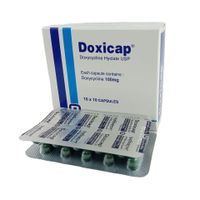 Doxicap® 50 mg
Medical Disclaimer: This clinical summary is for informational purposes only. Always follow guidance from a qualified healthcare professional for dosage, interactions, and use.


