
Ciprofloxacin
Rx Only
Therapeutic ClassFluoroquinolone Antibiotic
Common Dose250–750 mg every 12 h (oral)
Max / 24h1500 mg
PregnancyCategory C
Indications ▼
Urinary tract infections (cystitis, pyelonephritis)
Respiratory tract infections (bronchitis, pneumonia)
Gastrointestinal infections (infectious diarrhea, typhoid fever)
Skin and soft tissue infections
Bone and joint infections
Mechanism & Pharmacokinetics ▼
Mechanism: Inhibits bacterial DNA gyrase and topoisomerase IV, preventing DNA replication and cell division.
Pharmacokinetics: Well absorbed orally; peak plasma 1–2 hr; widely distributed; metabolized partially in liver; excreted mainly in urine; half-life ~4 hr (oral), ~4–5 hr (IV).
Dosage & Administration ▼
| Patient Category | Recommended Dose | Max / 24h |
|---|---|---|
| Adults | 250–750 mg orally every 12 hours; IV: 200–400 mg every 12 h | 1500 mg |
| Elderly | Same as adults; adjust for renal impairment | 1500 mg |
| Children (≥1 yr) | 10–20 mg/kg orally or IV every 12 h | Max per clinical guidance |
Side Effects ▼
Common: Nausea, diarrhea, headache, dizziness
Occasional: Rash, photosensitivity, abdominal pain
Rare: Tendon rupture, QT prolongation, seizures, hypersensitivity reactions
Contraindications ▼
Hypersensitivity to ciprofloxacin or other fluoroquinolones
Concurrent use with tizanidine
History of tendon disorders related to fluoroquinolones
Drug Interaction ▼
Antacids containing Mg/Al: reduce absorption
Warfarin: may increase INR
Other QT-prolonging drugs: additive effect
Pregnancy & Lactation ▼
Use only if clearly needed (Category C)
Excreted in breast milk in small amounts; use with caution
Clinical / Research Summary ▼
Effectiveness: Ciprofloxacin is highly effective against gram-negative bacteria and some gram-positive bacteria in urinary, respiratory, gastrointestinal, and skin infections.
Pharmacokinetic Advantage: Excellent oral bioavailability and IV options allow flexible administration.
Treatment Outcomes: Rapid clinical improvement in infections; reduces hospitalization duration in severe infections.
Safety Profile: Generally well-tolerated; most adverse effects are mild and reversible.
Current Research: Combination therapy studies, resistance monitoring, and optimization in special populations (elderly, renal impairment).
Patient Counseling Points ▼
Take at the same time daily; can be taken with or without water, with or without food.
Avoid excessive sunlight; use sunscreen and protective clothing.
Complete full course even if symptoms improve.
Maintain hydration; drink plenty of fluids.
Inform doctor about other medications including antacids, warfarin, or QT-prolonging drugs.
Report tendon pain or swelling immediately.
Use during pregnancy or breastfeeding only if advised by physician.
Storage & Handling ▼
Store at 20–25°C; protect from moisture & light
Keep out of reach of children
Brand Names (Bangladesh & Global) ▼
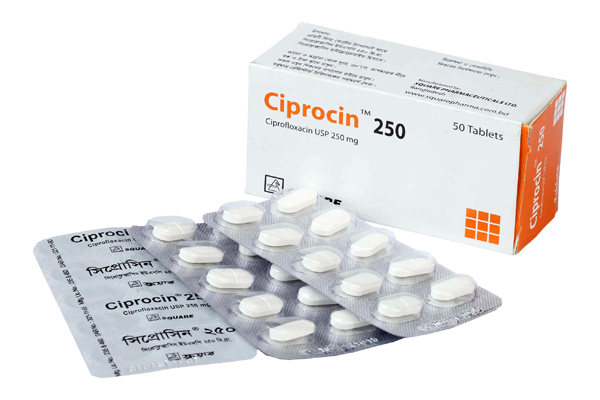 Ciprocin
 Ciplox
 Ciprol
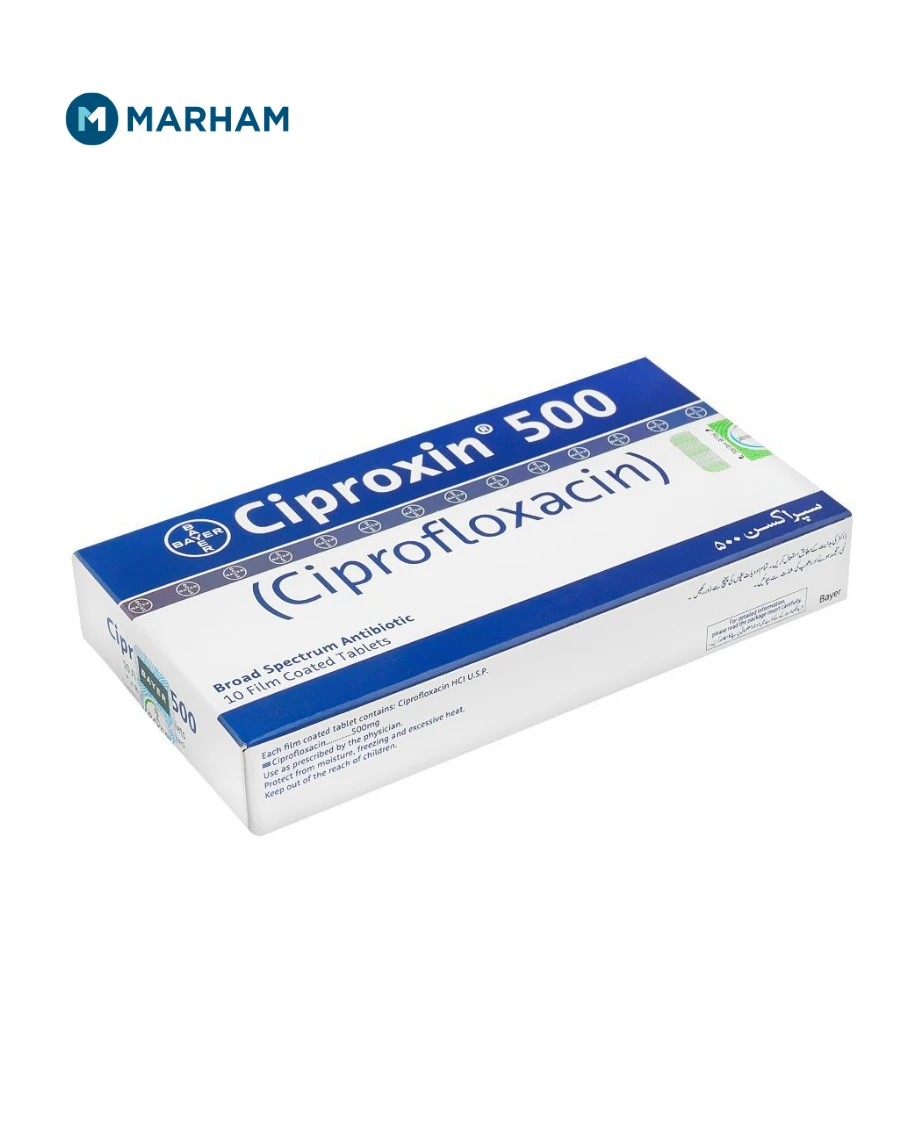 Ciproxin
 Cipro
Cipro Cilox
Cilox Ciprofloxacin Sandoz
Medical Disclaimer: This clinical summary is for informational purposes only. Always follow guidance from a qualified healthcare professional for dosage, interactions, and use.


