
Erythropoietin Beta: Uses, Dosage, Side Effects & Brands | MedexInfo
Labels:
Erythropoiesis-Stimulating Agent
Erythropoietin Beta
Rx
Generic NameErythropoietin Beta
Therapeutic ClassErythropoiesis-Stimulating Agent
RouteSC / IV
Max / 24hVaries by indication, usually 40,000 units/week SC
PregnancyUse only if benefit outweighs risk
Indications ▼
Anemia associated with chronic kidney disease (CKD) in adults and children
Prevention and treatment of chemotherapy-induced anemia in cancer patients
Anemia in patients undergoing elective, non-cardiac, non-vascular surgery to reduce need for transfusion
Anemia in critically ill patients (off-label in select cases)
Mechanism & Pharmacokinetics ▼
Mechanism: Recombinant human erythropoietin stimulates erythroid progenitor cells in the bone marrow, increasing red blood cell production and hemoglobin levels.
Pharmacokinetics: Administered SC or IV. SC absorption slower but longer duration. Half-life: 4–13 hours (SC), 6–8 hours (IV). Metabolized primarily in the liver and kidneys. Clearance increases with hematocrit.
Dosage & Administration ▼
| Indication | Recommended Dose | Frequency |
|---|---|---|
| CKD (Adult, SC) | 50–100 units/kg | 3x/week |
| CKD (Adult, IV) | 50–100 units/kg | 3x/week |
| Chemotherapy-induced anemia | 150 units/kg SC | 3x/week or 40,000 units once weekly |
| Preoperative anemia (surgery) | 300 units/kg SC | Weekly for 2–3 weeks prior to surgery |
Note: Dose adjustment based on hemoglobin response; avoid rapid rise (>1 g/dL per 2 weeks).
Side Effects ▼
Hypertension
Headache, fatigue
Injection site reactions
Thromboembolic events (rare)
Seizures (rare)
Contraindications ▼
Uncontrolled hypertension
Hypersensitivity to erythropoietin or formulation components
Pure red cell aplasia due to anti-erythropoietin antibodies
Active malignancy where erythropoiesis stimulation may be harmful
Drug Interaction ▼
Androgens: may enhance erythropoietic response
Iron supplementation: required to maximize response
ACE inhibitors: may reduce response
Antihypertensives: monitor BP
Pregnancy & Lactation ▼
Use only if benefit outweighs risk (Category C)
Excretion in breast milk unknown; caution advised
Clinical / Research Summary ▼
Therapeutic Role: Stimulates RBC production in anemia due to CKD, chemotherapy, or surgery, reducing transfusion needs.
Clinical Effectiveness: Improves hemoglobin, reduces transfusion requirements, enhances patient quality of life.
Safety Profile: Well tolerated; main concerns are hypertension and thromboembolism. Hemoglobin monitoring is essential.
Current Research: Focus on optimal dosing, cardiovascular outcomes, and minimizing antibody-mediated pure red cell aplasia.
Patient Counseling Points ▼
Monitor blood pressure regularly
Report headache, dizziness, or visual changes
Do not shake or freeze the injection; store properly
Follow-up labs: hemoglobin, hematocrit, iron status
Storage & Handling ▼
Store at 2–8°C
Do not freeze
Protect from light
Keep out of reach of children
Brand Names (Bangladesh & Global) ▼
Bangladesh:
Global:
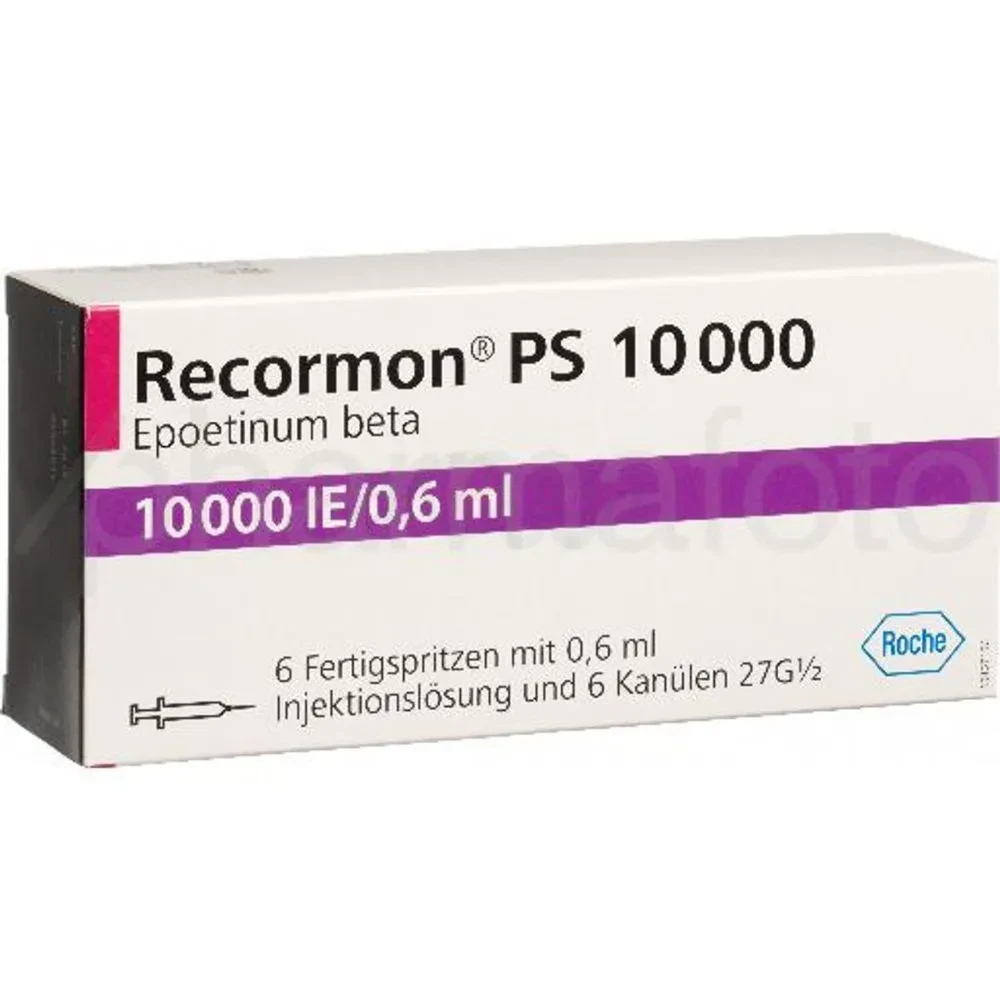 Recormon® 2000 IU/0.3 ml
Medical Disclaimer: Educational purpose only. Not a substitute for professional medical advice.


